

In my last post, I wrote about Viktor Mikhailov—the physicist who rose to prominence as head of MinAtom and whose academic work focused on hydronuclear testing. Mikhailov was intellectually formidable and institutionally undisciplined, a technocrat with enough stature inside Russia’s collapsing nuclear complex to freelance foreign policy on his own initiative. In the 1990s, he could (and often did) conduct nuclear diplomacy without bothering to inform Boris Yeltsin or the foreign ministry.
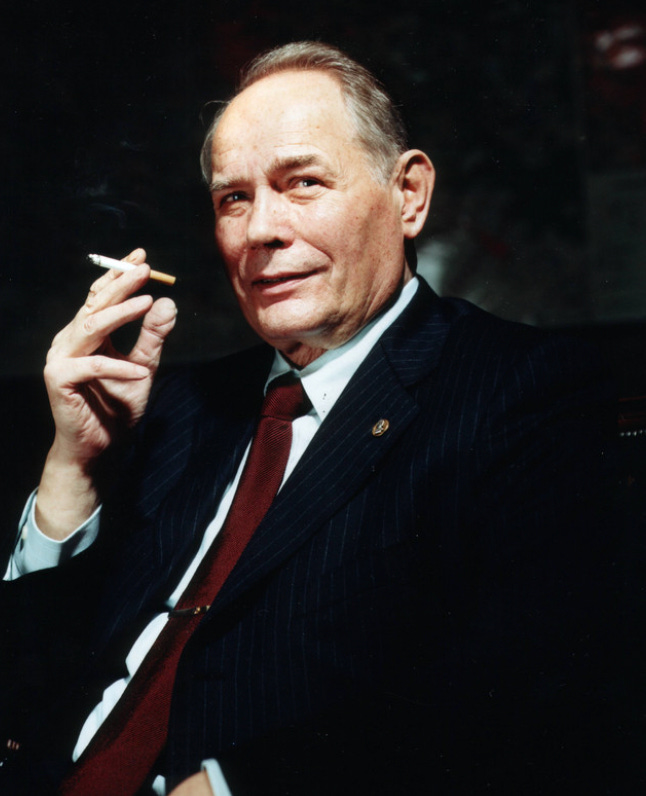
One of the most infamous episodes from his tenure is the moment he came remarkably close to giving Iran a gas centrifuge plant.
Today, that story barely registers as shocking. Iran eventually acquired centrifuges through the A.Q. Khan network and indigenized the technology. And, as my article with Ori Rabinowitz argued, Russia likely has developed a far greater willingness in recent years to transfer militarily relevant nuclear-adjacent technologies to Iran. This was subsequently corroborated in remarkable depth by the Financial Times in August. But in the early-to-mid 1990s, Russian technology transfer to Iran typically occurred at the sub-state level or individual level. And it was hardly non-controversial due to the state of U.S.-Russia relations and limits Moscow placed on its ties to Tehran.
The Bushehr Context
In the aftermath of the Iran-Iraq War, Tehran sought rapidly to revive what remained of its civilian nuclear infrastructure. The most visible symbol of this was the Bushehr Nuclear Power Plant on the Persian Gulf coast. Constructed initially by Siemens/KWU in the 1970s, the project was abandoned after the 1979 revolution and then subjected to multiple targeted Iraqi airstrikes during the 1980-1988 war, leaving the reactor buildings gutted and much of the German-installed equipment unusable.
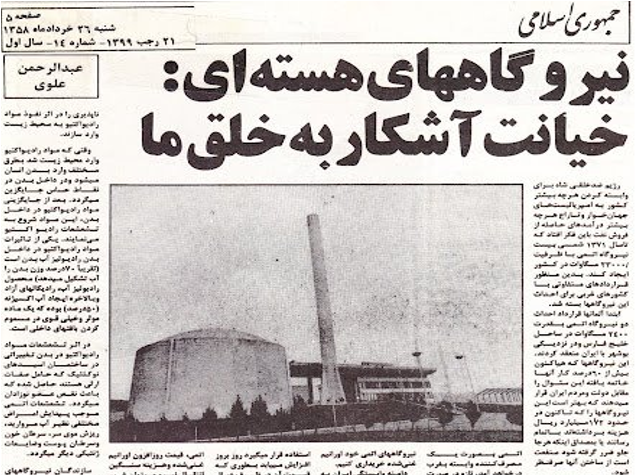
By the early 1990s, Iran was determined to bring Bushehr back online both for energy generation and as a political demonstration of nuclear self-sufficiency. Yet Siemens refused to return, no Western supplier was willing to engage under U.S. pressure, and the global export-control environment had tightened considerably. That left only one viable partner with the reactor technology, industrial capacity, and political incentive to take on the project: post-Soviet Russia.
For Moscow, Bushehr was a lifeline: MinAtom needed hard currency, its design bureaus were struggling to keep talent, and the government lacked the capacity to manage the sprawling nuclear enterprise. Mikhailov aggressively pursued foreign contracts, partly to stabilize MinAtom and partly to enhance his own political standing.
In August 1992, Moscow and Tehran signed their first post-Cold War cooperation agreement—already controversial in Washington. That culminated on January 8, 1995, when Mikhailov and Iran’s AEOI chief, Reza Amrollahi, signed the now-public Bushehr-1 contract: Russia would complete the 1000 MWe VVER-1000 unit, provide fuel, and train Iranian personnel.
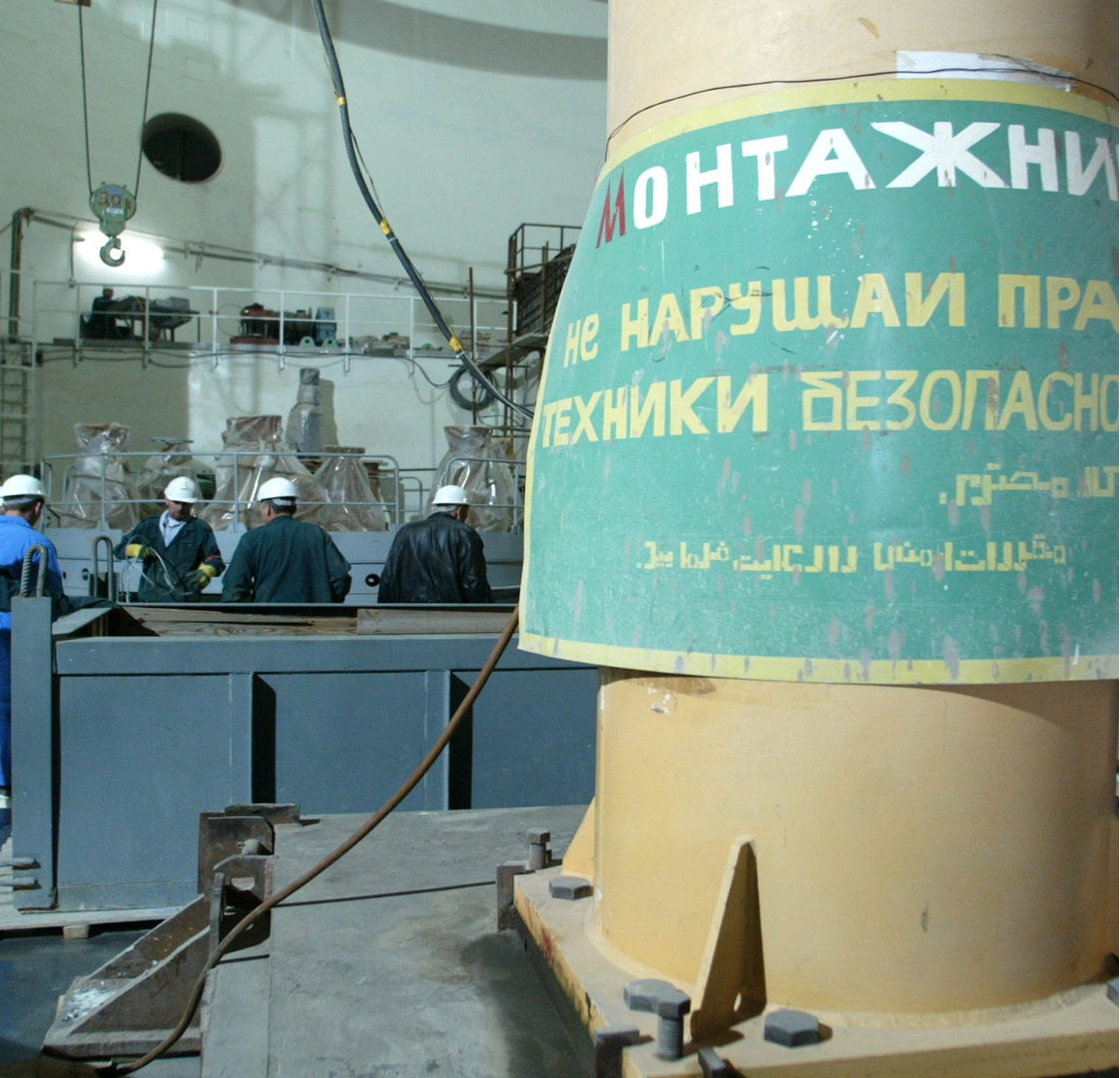
But another document was signed that day, completely without Yeltsin’s knowledge.
The Secret Protocol
The January 1995 meetings produced a second text: a classified protocol outlining a set of far more sensitive, fuel-cycle-adjacent projects. The scope of these commitments went well beyond anything justifiable under Iran’s “civilian energy” narrative, especially when viewed alongside what we know about the Amad Plan.
According to the protocol (later leaked), Russia agreed to:
transfer a 30-50 MWt light-water research reactor
provide 2,000 metric tons of natural uranium
train Iranian nuclear engineers and scientists
cooperate on small research and training reactors
and, most consequentially, assist Iran in constructing a gas centrifuge uranium enrichment facility
Technically, this was an extraordinary offer. Russian centrifuge technology in the mid-1990s was significantly more advanced than anything available through clandestine procurement networks. Unlike the crude maraging-steel rotors of the A.Q. Khan P-1 design, Russian centrifuges operated using composite materials, high-precision bearings, advanced frequency converters, and optimized cascade architectures that enabled high separative work capacity per machine. A Russian-built enrichment facility would not have resembled a Pakistani-style pilot plant; it would have been a fully engineered industrial complex, complete with rotor assemblies, vacuum systems, cascade control units, UF6 handling infrastructure, and the embedded operational know-how required to run and replicate the technology.
The protocol does not promise an immediate centrifuge sale. Instead, it had a phased approach:
Within six months, Russian entities would build a “uranium vault” or mine shaft in Iran
After that, the two sides would conduct negotiations on signing a contract for the construction of a centrifuge plant for the enrichment of uranium
This staged process was designed to give Moscow plausible deniability while laying technical and geological groundwork for fuel-cycle cooperation. The phrase “uranium vault” almost certainly refers to preparatory work at Saghand (Yazd), where Iran would eventually develop its first domestic uranium mine. Later reporting confirmed that MinAtom had indeed drawn up plans for a 100-200 ton/year mine.
U.S.-Russia Dynamics
By most accounts, including conversations I have had with former U.S. officials, Washington learned of the secret protocol before President Yeltsin did. In Russia, the scheme remained compartmentalized inside MinAtom until April 12, 1995, when Alexei Yablokov, Yeltsin’s environmental adviser and one of the few senior figures willing to challenge MinAtom’s secrecy, published an exposé in Izvestia detailing the centrifuge offer and the broader fuel-cycle commitments. The Russian foreign ministry responded by claiming that Mikhailov’s proposal was only a “statement of intent” that still required higher-level approval. MinAtom denied that negotiations had occurred at all. Both statements were inaccurate.
For the Clinton administration, which was already uneasy about the Bushehr reactor project, the centrifuge revelation was explosive. Senior U.S. officials warned that transferring a turnkey enrichment facility would give Iran the operational knowledge and separative capacity required to produce weapons-grade material. The White House made clear that the issue was serious enough to jeopardize the upcoming May 1995 Clinton-Yeltsin summit. The summit eventually happened, but Iran was high on the agenda.
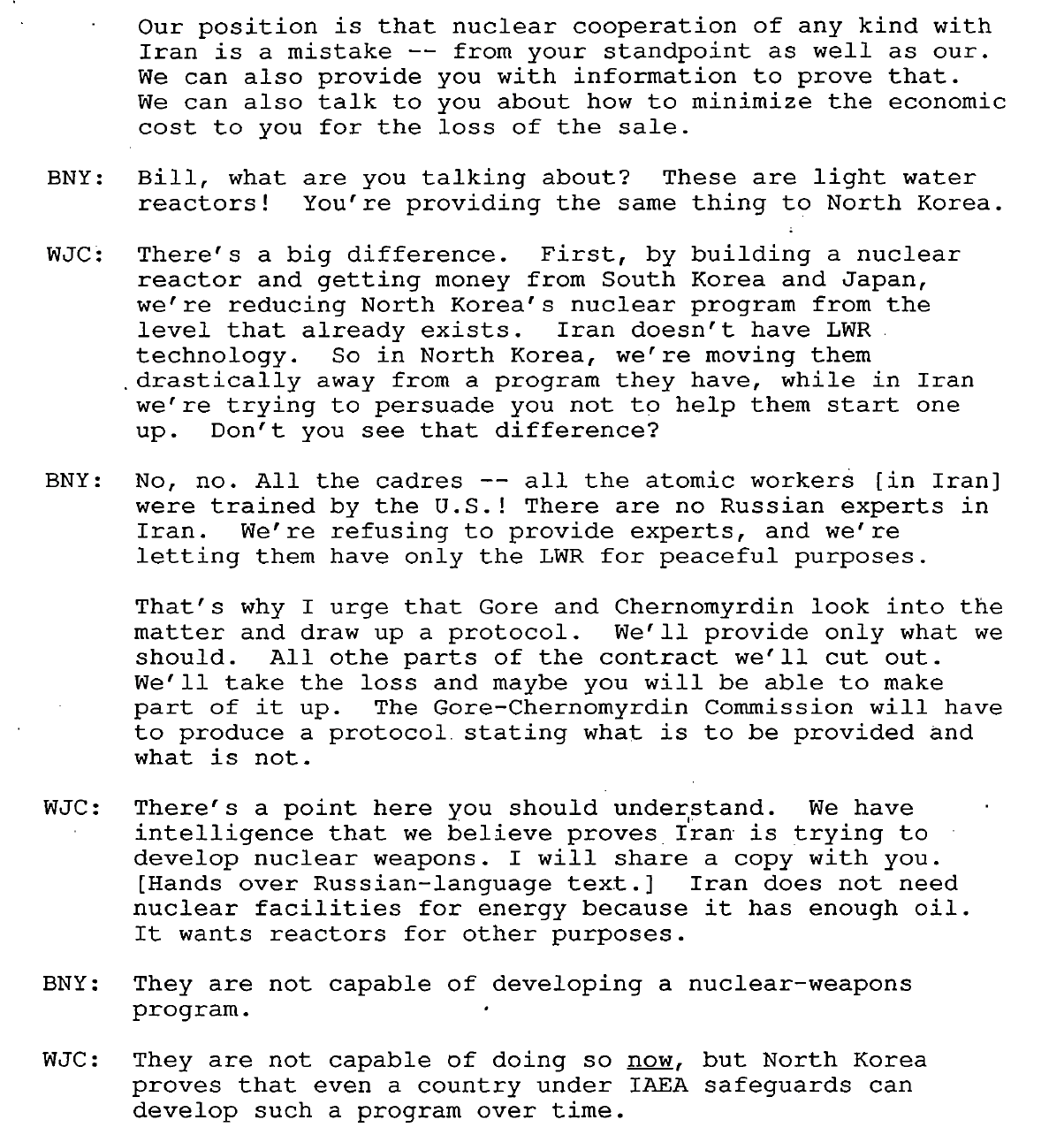
The controversy around Mikhailov’s secret agreement with Iran (both within Russia and the U.S) arose not only from the technical sensitivity of the transfer but also from the broader political context of 1995. At the time, Moscow still sought integration into Western political and economic institutions. It relied heavily on U.S. and IMF financial assistance, participated in cooperative threat-reduction programs, and was trying to demonstrate compliance with international export-control regimes. A formal commitment to supply Iran with enrichment technology threatened all of these priorities. Even within the Russian government, the foreign ministry judged the centrifuge proposal to be strategically reckless.
A Very Different Russia–Iran Relationship Today
Three decades later, Moscow no longer seeks Western approval; its relationship with Tehran has deepened into a mutually reinforcing security partnership driven by sanctions, wartime interdependence, and shared opposition to the United States. Today, Russia relies on Iranian UAVs and missiles for operations in Ukraine, coordinates diplomatically with Iran at the IAEA, and engages in sustained military-industrial cooperation that would have been politically unthinkable in the 1990s.
Mikhailov’s 1995 centrifuge offer, once viewed as a rogue episode at the margins of Russian policymaking, now reads as an early preview of a dynamic that has since become structurally embedded in the Russia-Iran relationship: the gradual normalization of norm-eroding behavior in the nuclear, military, and dual-use domains.
Had Iran obtained Russian centrifuge technology in 1995, its nuclear trajectory would have unfolded in an entirely different register. Instead of spending a decade reverse-engineering P-1 and P-2 designs through the A.Q. Khan network and struggling with rotor failures, bearing instabilities, and poor cascade reliability, Iran would have acquired a mature, industrial-grade enrichment architecture from the outset. After the 12 Day War, it is foreseeable that Iran may increasingly turn to Russia for the transfer of more sensitive nuclear technologies to rebuild. But Iran already has much of the knowledge needed to build a nuclear weapon on the fuel-cycle side of things. What is more likely is Iran looking towards Russia for support in the conventional domain, especially around survivability and accuracy. Of course, this does not mean that we may see Russia or Russian entities providing future support for discrete aspects of future weaponization-related work in Iran.